Nobel Laureates 2025
A living record of human brilliance
Who won the Nobel Prize in Medicine in 2025?
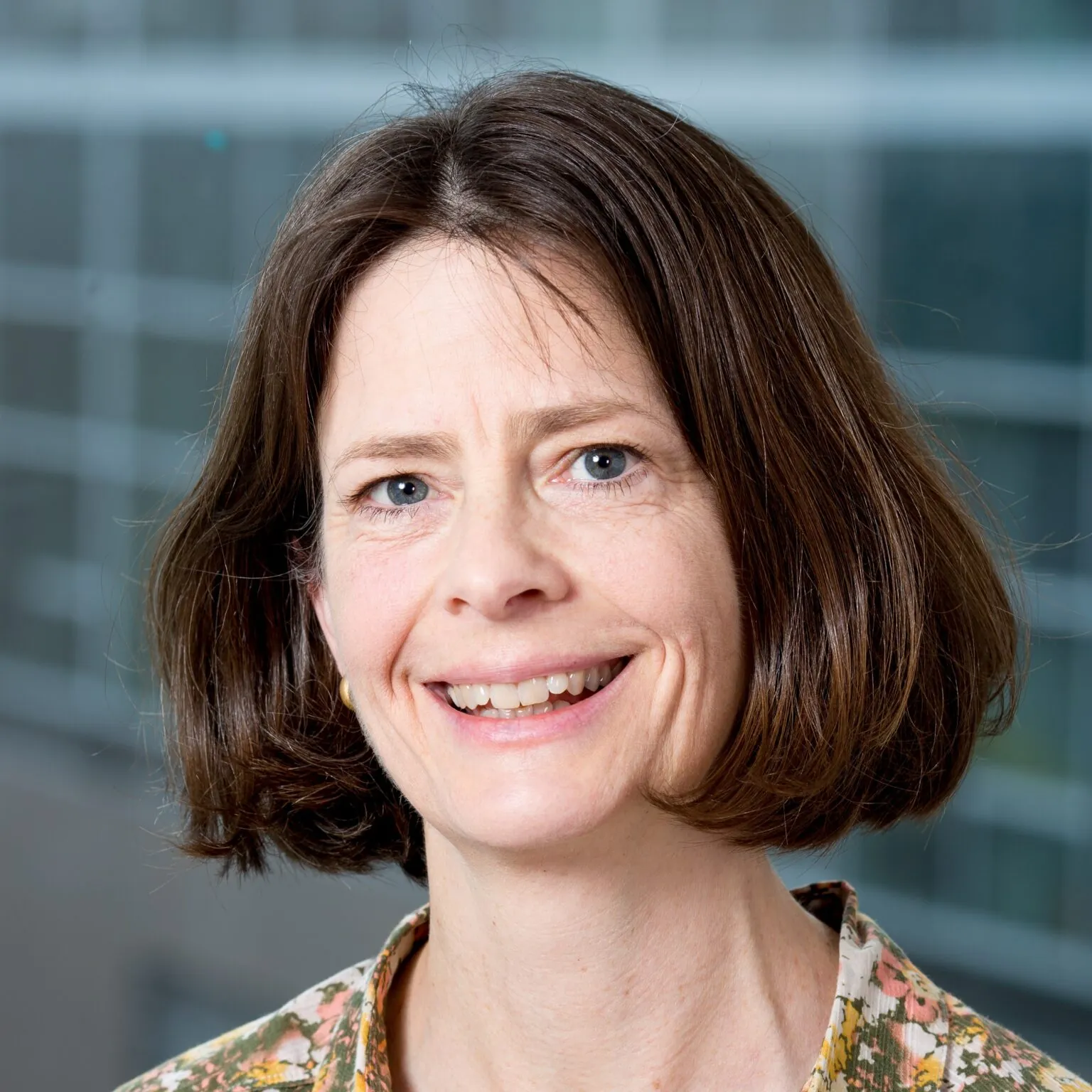
The Nobel Assembly at the Karolinska Institutet awarded the 2025 Nobel Prize in Physiology or Medicine to Mary E. Brunkow, Fred Ramsdell, and Shimon Sakaguchi for their discoveries concerning peripheral immune tolerance.
Their work revealed how regulatory T cells prevent the immune system from attacking the body’s own organs — transforming the understanding of autoimmune disease and cancer immunotherapy.


Who won the Nobel Prize in Physics in 2025?
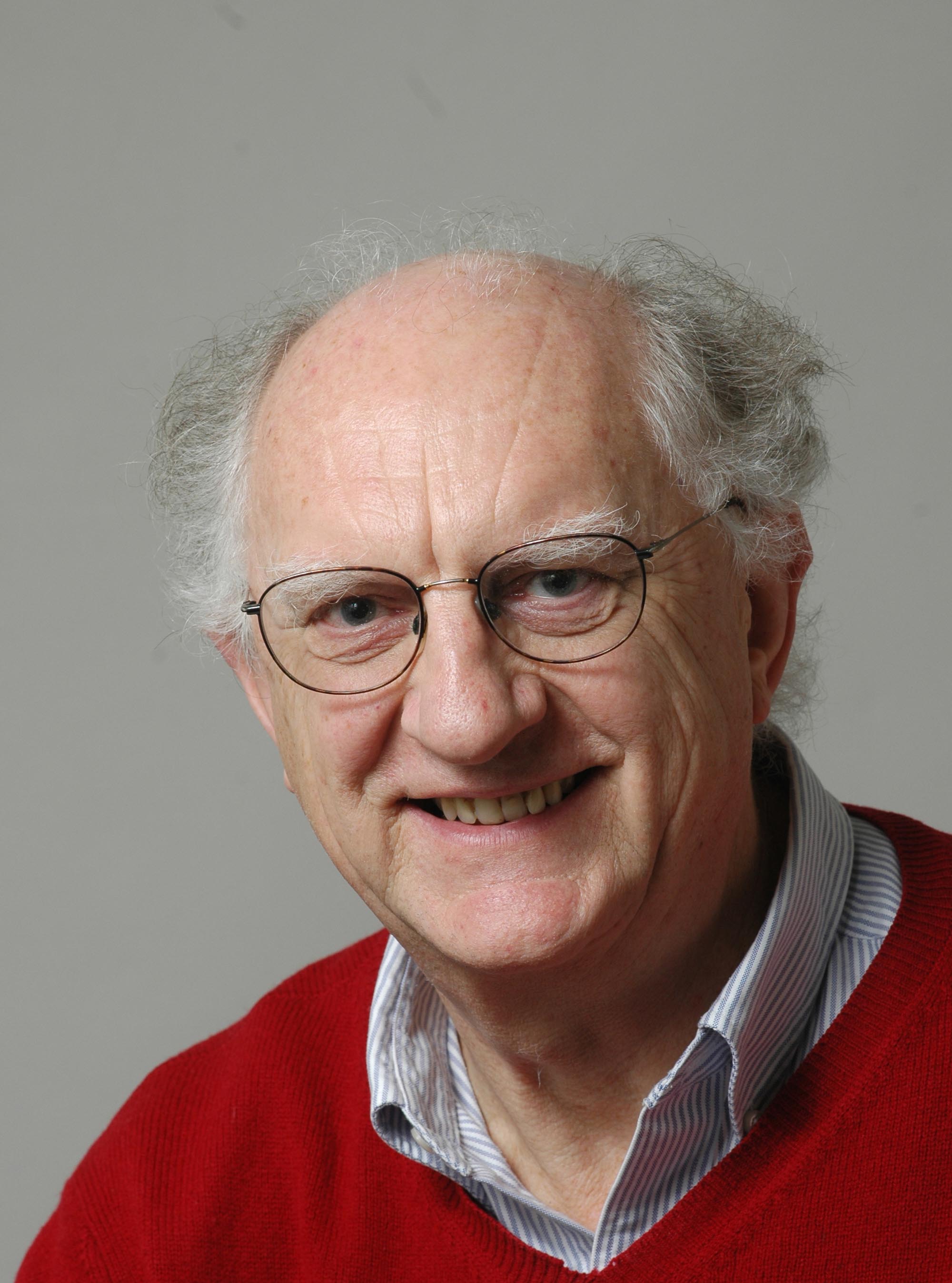
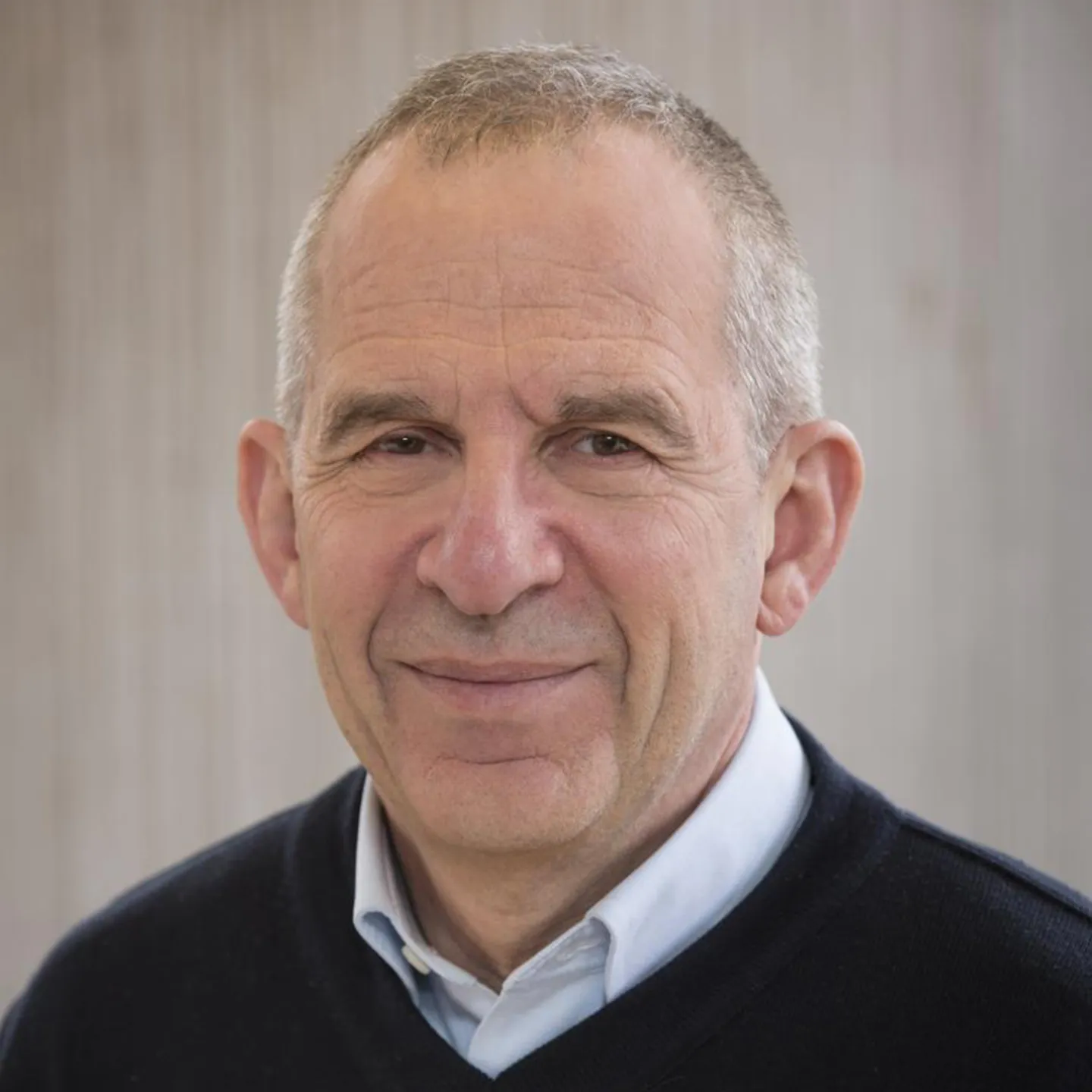
The 2025 Nobel Prize in Physics was awarded to John Clarke, Michel H. Devoret, and John M. Martinis “for the discovery of macroscopic quantum mechanical tunnelling and energy quantisation in an electric circuit.”
Their experiments with superconducting Josephson junctions demonstrated quantum effects in electrical circuits large enough to hold in the hand — bridging the gap between quantum mechanics and classical physics. Their discoveries form the basis of modern quantum computing and sensing technologies.

Who won the Nobel Prize in Chemistry in 2025?
The 2025 Nobel Prize in Chemistry has been awarded to Susumu Kitagawa, Richard Robson, and Omar M. Yaghi for their groundbreaking work in developing metal–organic frameworks (MOFs) — crystalline materials with vast internal spaces that can trap, store, and transform gases and molecules.
🏆 The Laureates
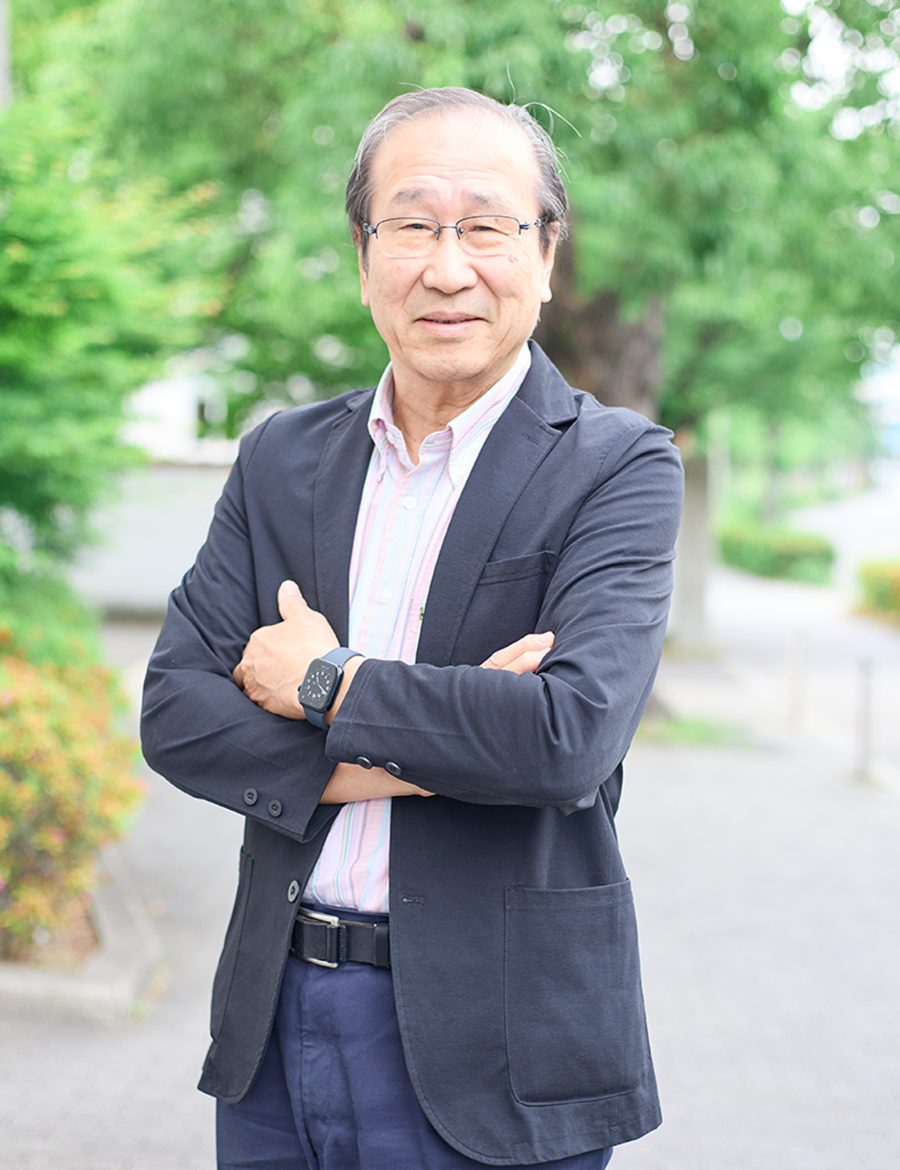
Susumu Kitagawa
Professor, Kyoto University, Japan
Born in 1951 in Kyoto, Japan, Kitagawa earned his PhD in 1979 from Kyoto University.
He pioneered the concept of “porous coordination polymers,” showing that gases can flow through
and interact with these molecular frameworks — a discovery that opened the door to modern MOF chemistry.
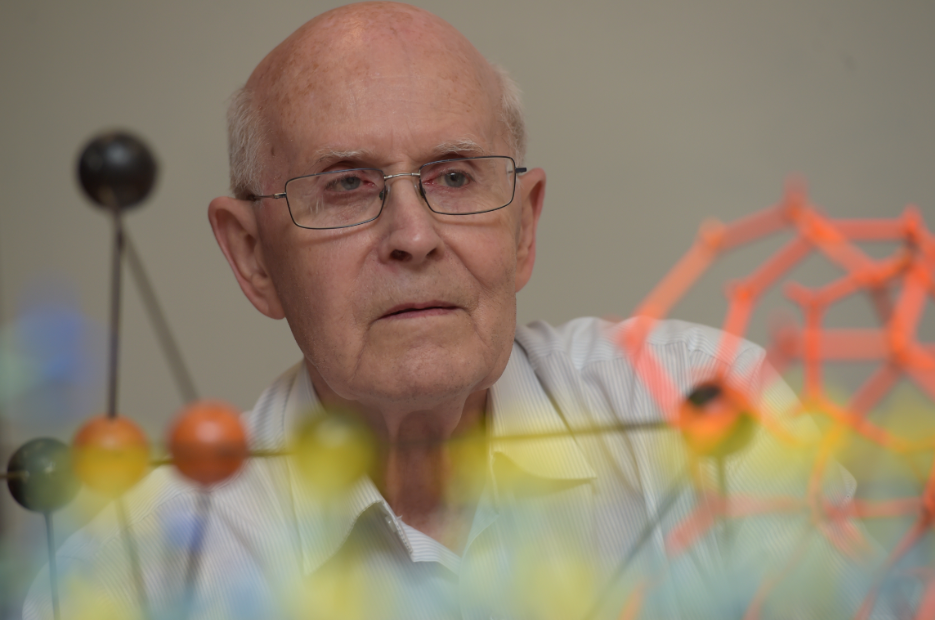
Richard Robson
Professor, University of Melbourne, Australia
Born in 1937 in Glusburn, UK, Robson received his PhD in 1962 from the University of Oxford.
In 1989, he was the first to build large, porous crystals by linking copper ions with
organic molecules — laying the foundation for the field of metal–organic frameworks.
His work inspired a generation of chemists to explore molecular architectures as functional materials.

Omar M. Yaghi
Professor, University of California, Berkeley, USA
Born in 1965 in Amman, Jordan, Yaghi earned his PhD from the University of Illinois in 1990.
He revolutionized the field by creating stable MOFs that can be designed with precision — enabling
targeted gas storage, water harvesting, and carbon capture. Yaghi also coined the term “reticular chemistry,”
describing the art of building materials from molecular blueprints.
🔬 About Metal–Organic Frameworks (MOFs)
MOFs are crystalline compounds where metal ions act as nodes and organic molecules act as linkers, forming a lattice with enormous internal surface area. By altering these building blocks, chemists can “tune” MOFs to selectively capture, store, or transform substances.
- Harvesting water from desert air
- Capturing and storing carbon dioxide
- Removing PFAS and pharmaceutical residues from water
- Catalyzing chemical reactions
- Conducting electricity and storing energy
🌍 Global Impact
The laureates’ discoveries have led to the creation of tens of thousands of different MOFs. Their potential spans clean energy, climate solutions, and sustainable manufacturing — offering hope for tackling some of humanity’s most urgent challenges.
💰 Prize and Recognition
The Nobel Prize in Chemistry 2025 carries a total award of 11 million Swedish kronor,
shared equally among the three laureates.
“Metal–organic frameworks have enormous potential, bringing previously unforeseen opportunities for
custom-made materials with new functions,” said Heiner Linke, Chair of the Nobel Committee for Chemistry.
Learn more: kva.se | nobelprize.org
Who won the Nobel Prize in Literature in 2025?
About László Krasznahorkai
Born on 5 January 1954 in Gyula, Hungary. A Hungarian novelist and screenwriter, known for his dense, philosophical prose and long, complex sentences. His debut novel Satantango (1985) was later adapted into a seven-hour film by director Béla Tarr. Other acclaimed works include The Melancholy of Resistance, War and War, and Baron Wenckheim’s Homecoming. Krasznahorkai’s writing explores themes of apocalypse, decay, and the endurance of the human spirit through art. He received the Man Booker International Prize in 2015 for his lifetime achievement in literature. Often described as “the contemporary master of apocalypse,” his works have been translated into multiple languages.

Read more on Wikipedia
Who won the Nobel Peace Prize in 2025?
The Nobel Peace Prize 2025 was awarded to María Corina Machado, Venezuelan opposition leader and democracy activist, “for her tireless work promoting democratic rights for the people of Venezuela and for her struggle to achieve a just and peaceful transition from dictatorship to democracy.”
Machado has long been one of the most prominent voices opposing President Nicolás Maduro’s regime in Venezuela. She has organized peaceful protests, defended free elections, and risked imprisonment and exile to advocate for democratic reform. Her recognition by the Norwegian Nobel Committee highlights the global importance of Venezuela’s democratic struggle.
The Nobel Committee praised her courage and persistence, noting that her efforts represent “the universal fight for liberty and human dignity.” The award will be presented in Oslo, Norway, on December 10, 2025, the anniversary of Alfred Nobel’s death.
🔗 For more about María Corina Machado, visit her Wikipedia page.
Who won the Nobel Prize in Economics in 2025?
The Royal Swedish Academy of Sciences has awarded the
Sveriges Riksbank Prize in Economic Sciences in Memory of Alfred Nobel 2025 to
Joel Mokyr, Philippe Aghion, and Peter Howitt
“for having explained innovation-driven economic growth.”
Joel Mokyr

Affiliation: Northwestern University, Evanston, IL, USA
“for identifying the prerequisites for sustained growth through technological progress.”
Joel Mokyr is the Robert H. Strotz Professor of Economics and History at Northwestern University.
His research focuses on the economic, cultural, and intellectual roots of technological change — especially in Europe from 1750 to 1914.
He investigates how knowledge, science, and institutions interact to support sustained innovation.
He is a Fellow of the American Academy of Arts and Sciences, the Econometric Society, and the British Academy,
and the author of A Culture of Growth: Origins of the Modern Economy.
Philippe Aghion
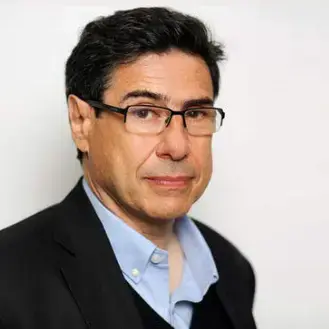
Affiliations: Collège de France and INSEAD, Paris; Visiting Professor, London School of Economics, UK
“for the theory of sustained growth through creative destruction.”
Philippe Aghion is a Professor at the Collège de France and INSEAD, and a visiting professor at the London School of Economics.
He is a Fellow of the Econometric Society and of the American Academy of Arts and Sciences.
His research centers on growth, innovation, and institutional design.
With Peter Howitt, Aghion pioneered the Schumpeterian growth paradigm.
Major works include Endogenous Growth Theory (1998), The Economics of Growth (2009), and
Competition and Growth (with Rachel Griffith, 2006).
He has been awarded the Yrjö Jahnsson Award (2001), the John von Neumann Award (2009), and the 2020 BBVA Frontier of Knowledge Award (shared with Howitt).
His recent book, The Power of Creative Destruction, explores how innovation can foster fair and sustainable prosperity.
Peter Howitt
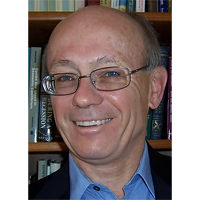
Affiliation: Brown University, Providence, RI, USA
“for the theory of sustained growth through creative destruction.”
Peter Howitt is Professor of Economics and the Lyn Crost Professor of Social Sciences at Brown University.
His research covers macroeconomics, monetary theory, and growth theory.
Together with Philippe Aghion, he formulated the mechanism of creative destruction — in which new technologies displace old ones — as a driver of sustained economic growth.
He has previously held faculty positions at the University of Western Ontario and Ohio State University.
Summary: The 2025 laureates — Joel Mokyr, Philippe Aghion, and Peter Howitt — jointly highlight how technological innovation, institutions, and competition sustain long-term economic growth. Mokyr identifies foundational conditions; Aghion and Howitt model how innovation continuously reshapes economies through creative destruction.